
🏠 Protecting Your Home from Extreme Heat
As Texas summers continue to break heat records, protecting your home from extreme temperatures isn’t just about comfort—it’s about preserving your property, reducing energy bills, and keeping your family safe. Whether you're in Austin, San Antonio, or the heart of Central Texas, these practical tips can help you heatproof your home—many of which are DIY-friendly and budget-conscious.
1. Insulate and Seal Your Home
Why It Matters:
Proper insulation acts as a thermal barrier, keeping your indoor air cooler for longer. Air leaks around doors, windows, and vents let hot air in and cool air out, forcing your HVAC to work harder.
DIY Tips:
- Install weatherstripping on doors and windows to reduce air leakage.
- Use caulk to seal gaps around window frames, electrical outlets, and plumbing pipes.
- Add insulation to attics and crawl spaces using rolled fiberglass or blown-in cellulose, both of which are DIY-friendly with the right equipment.
Pro Tip: Use an incense stick or thermal leak detector near doors and windows on a hot day. If the smoke moves or the reading spikes, you've got an air leak to fix.
2. Install Reflective Roofing or Radiant Barriers
Why It Matters:
Your roof absorbs a massive amount of heat. Reflective materials bounce radiant heat away from your home, especially important in Texas where rooftops can exceed 150°F.
DIY Tips:
- Install a radiant barrier under your roof decking. Foil-faced barriers are available at most home improvement stores and can be stapled to rafters.
- Apply a cool roof coating (elastomeric or white acrylic) if your roof type allows it.
- Use reflective roof panels on sheds or detached garages to reduce surrounding heat radiation.
Pro Tip: If you're planning roof replacement, ask about cool-roof rated shingles designed for hot climates.
3. Upgrade Windows or Use Heat-Blocking Treatments
Why It Matters:
Windows account for up to 30% of a home’s cooling loss. Even newer windows can let in a lot of heat if they aren't treated properly.
DIY Tips:
- Apply window film that blocks UV and infrared rays while letting in natural light.
- Install thermal blackout curtains or reflective shades for east- and west-facing windows.
- Add solar screens—mesh fabric installed over exterior windows—to block up to 70% of heat before it hits the glass.
Pro Tip: During peak heat hours (typically 2–6 p.m.), keep curtains drawn to reduce heat gain.
4. Service Your HVAC System Regularly
Why It Matters:
Your HVAC is your home’s first line of defense against extreme heat. A system that’s not maintained works harder, costs more to run, and may fail when you need it most.
DIY Tips:
- Replace your air filters monthly during high-use summer months.
- Clean the condenser coils on your outdoor unit by gently spraying with a hose (after turning off power).
- Clear vegetation from around the outdoor unit to allow proper airflow (at least 2 feet clearance).
- Use a programmable thermostat to manage cooling efficiently.
Pro Tip: If your HVAC is older than 10 years, consider an energy-efficient upgrade. You might qualify for rebates or tax credits.
5. Install a Smart Thermostat
Why It Matters:
A smart thermostat helps you save money and energy by learning your schedule and adjusting temperatures automatically—even when you're not home.
DIY Tips:
- Install it yourself—most smart thermostats like Google Nest or ecobee come with step-by-step instructions and require only basic tools.
- Set schedules that raise temps when you're away (around 78–80°F) and cool before you return.
- Use features like geofencing or smartphone apps to adjust temps remotely.
Pro Tip: Some utility providers offer rebates for smart thermostat installation—check your local electric company’s website.
6. Shade and Cool Outdoor Spaces
Why It Matters:
Outdoor heat radiates into your home. Providing shade near windows, doors, and patios helps lower indoor temps and makes outdoor areas more enjoyable.
DIY Tips:
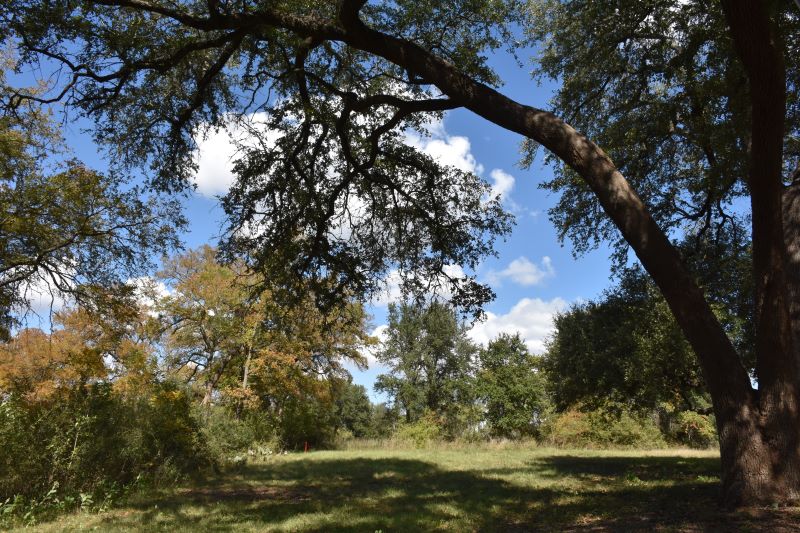
- Plant fast-growing shade trees like cedar elm or desert willow on the south and west sides of your home.
- Install shade sails or pergolas over patios or decks.
- Use exterior roll-down shades or bamboo blinds to cover windows.
- Lay down outdoor rugs or turf to reduce heat radiating from concrete surfaces.
Pro Tip: Use reflective or light-colored outdoor furniture to help reduce surface heat.
7. Improve Attic Ventilation
Why It Matters:
Attics can exceed 140°F in Texas summers. Without ventilation, that heat radiates down into your home, overloading insulation and your HVAC system.
DIY Tips:
- Install soffit and ridge vents to improve passive airflow.
- Add a solar-powered attic fan to pull hot air out during peak hours—most are easy to install with basic tools.
- Use vent chutes (baffles) to keep insulation from blocking airflow.
Pro Tip: Check attic temps during midday. If it's excessively hot, improving ventilation can significantly reduce indoor cooling loads.
✅ Final Thoughts
With a few DIY upgrades and regular maintenance, you can heatproof your home, reduce energy use, and stay cool even through the hottest Texas days. Whether you're a first-time homeowner or have lived through decades of Texas summers, these tips will help you protect your investment and increase your comfort.
🔧 Ready to Buy or Sell a Home Built for the Texas Climate?
Whether you're looking to buy a well-prepared home with energy-efficient features or you're ready to sell and want to highlight recent upgrades like radiant barriers or smart thermostats, we’re here to help. As Texas real estate experts, we understand what buyers are looking for—and how to make your home stand out in a climate that demands smart, heat-ready living.
📞 Contact us today to schedule a consultation or get a customized market analysis for your Texas property. Let’s make your next move a cool and confident one!
- Boomer’s Roadmap for Aging in Place
- COVID-19 Resource Guide for Texas Residents
- Creating a Home for Disabled Children to Thrive
- Disaster Safety for Renters
- DIY Home Automation & Robotics Guide
- Driving Safety Guide
- Earthquake Safety Guide
- Fall Prevention at Home
- Fire Safety Tips for Homeowners
- Foundation Protection During A Drought
- Going Green: The Eco-Friendly Home
- Home Inspection Guide
- Home Modification for Cats and Dogs
- Homecity Military Rewards
- Homeowner’s Guide to Flooding
- Homes for Homeless Vets
- Lightning Safety Guide
- Making the Move to Assisted Living
- Modifications for Disabled Veterans
- Operation American Dream
- Pet Safety in the Home
- Power Outage Preparedness
- Protecting Your Home from Extreme Heat
- Real Estate, Math & Financial Literacy for Students
- Relocation Services
- Texas-Friendly Landscaping
- Winter Freeze and Holiday Safety
