

Home Inspection Guide
Why Home Inspections Matter
Whether you’re buying your first home, preparing to sell, or simply curious about your property’s condition, a home inspection is one of the most important steps in the real estate journey. A professional inspection offers a detailed look at the home’s current state. It highlights what’s working well, identifies potential concerns, and outlines areas that may need maintenance or repairs.
For buyers, it provides peace of mind and helps ensure you’re making a confident investment. For sellers, it can reveal items to address before listing, giving your home a stronger chance of attracting offers quickly. In short, inspections protect both sides of the transaction by reducing surprises and building trust.
What to Expect During a Home Inspection
A licensed inspector will carefully evaluate the property, typically covering:
- Structural Components – foundation, roof, walls, and framing
- Systems – HVAC, plumbing, and electrical
- Exterior & Interior – siding, windows, doors, and floors
- Safety Features – smoke detectors, carbon monoxide detectors, and handrails
Inspections generally take 2 to 4 hours, depending on the size of the home. After the inspection, the inspector provides a detailed written report with their findings. Some buyers choose to attend the inspection and may have questions about specific items, but it is entirely optional and not required. The written report is the official record and gives buyers and sellers all the details needed to move forward.
Common Issues Found in Inspections
Not every item flagged is a dealbreaker. Some of the most common findings include:
- Minor roof repairs
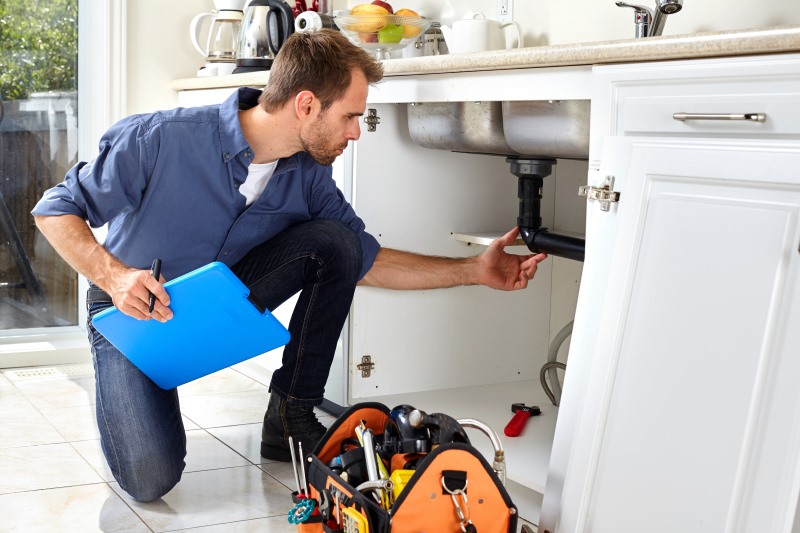
- Plumbing leaks or outdated piping
- Electrical panel updates
- HVAC maintenance needs
- Cosmetic issues like peeling paint or cracked tiles
Addressing these ahead of time helps sellers avoid surprises, while buyers can make informed decisions or negotiate repairs.
Tips for Buyers and Sellers
- Buyers: Budget for potential repairs, ask your inspector questions, and review the report carefully before moving forward.
- Sellers: Consider a pre-listing inspection. Fixing small issues in advance can increase buyer confidence and help your home sell faster.
- Everyone: Choose a certified home inspector with strong reviews and local experience.
Key Takeaways
A home inspection is more than a formality, it’s one of the most valuable steps in the home buying or selling process. Buyers can move forward with confidence knowing they understand the property’s true condition, while sellers benefit from transparency that builds buyer trust and often speeds up negotiations.
No home is flawless, and inspections almost always uncover something. Instead of viewing the report as a roadblock, think of it as a roadmap for making informed decisions, addressing repairs, and planning for the future.
By embracing the inspection process, both buyers and sellers can minimize surprises, reduce stress, and move toward a smooth, successful closing.
- Boomer’s Roadmap for Aging in Place
- COVID-19 Resource Guide for Texas Residents
- Creating a Home for Disabled Children to Thrive
- Disaster Safety for Renters
- DIY Home Automation & Robotics Guide
- Driving Safety Guide
- Earthquake Safety Guide
- Fall Prevention at Home
- Fire Safety Tips for Homeowners
- Foundation Protection During A Drought
- Going Green: The Eco-Friendly Home
- Home Inspection Guide
- Home Modification for Cats and Dogs
- Homecity Military Rewards
- Homeowner’s Guide to Flooding
- Homes for Homeless Vets
- Lightning Safety Guide
- Making the Move to Assisted Living
- Modifications for Disabled Veterans
- Operation American Dream
- Pet Safety in the Home
- Power Outage Preparedness
- Protecting Your Home from Extreme Heat
- Real Estate, Math & Financial Literacy for Students
- Relocation Services
- Texas-Friendly Landscaping
- Winter Freeze and Holiday Safety
