
🔥 Fire Safety Tips for Every Homeowner
Protecting your home and loved ones from the risk of fire starts with preparation, awareness, and a few essential safety steps. Whether you're a first-time homeowner or a seasoned property owner, staying proactive about fire prevention can save lives and property. Below are key fire safety tips every homeowner should know—plus a few easy DIY actions you can take today.
Install and Maintain Smoke Alarms
Why it matters: Working smoke alarms can cut the risk of dying in a home fire by half.
What to do:
- Install smoke alarms in every bedroom, outside each sleeping area, and on every level of your home.
- Test alarms monthly and change batteries at least once a year (many recommend doing this during Daylight Saving Time changes).
- Replace smoke alarms every 10 years.
DIY Tip: Use a can of compressed air to gently clean smoke detectors and prevent dust buildup, which can interfere with performance.
Create a Fire Escape Plan
Why it matters: A well-rehearsed escape plan ensures everyone knows how to exit quickly in an emergency.
What to do:
- Draw a map of your home showing all doors and windows.
- Practice a fire drill twice a year with your family.
- Make sure windows open easily and that everyone knows how to unlock doors.
DIY Tip: Mark the exit routes with glow-in-the-dark tape or battery-operated night lights to help guide your way if power is lost during a fire.
Practice Safe Cooking Habits
Why it matters: Cooking is the leading cause of home fires.
What to do:
- Never leave food unattended on the stove.
- Keep flammable items like towels and curtains away from cooking surfaces.
- Turn pot handles inward to avoid spills.
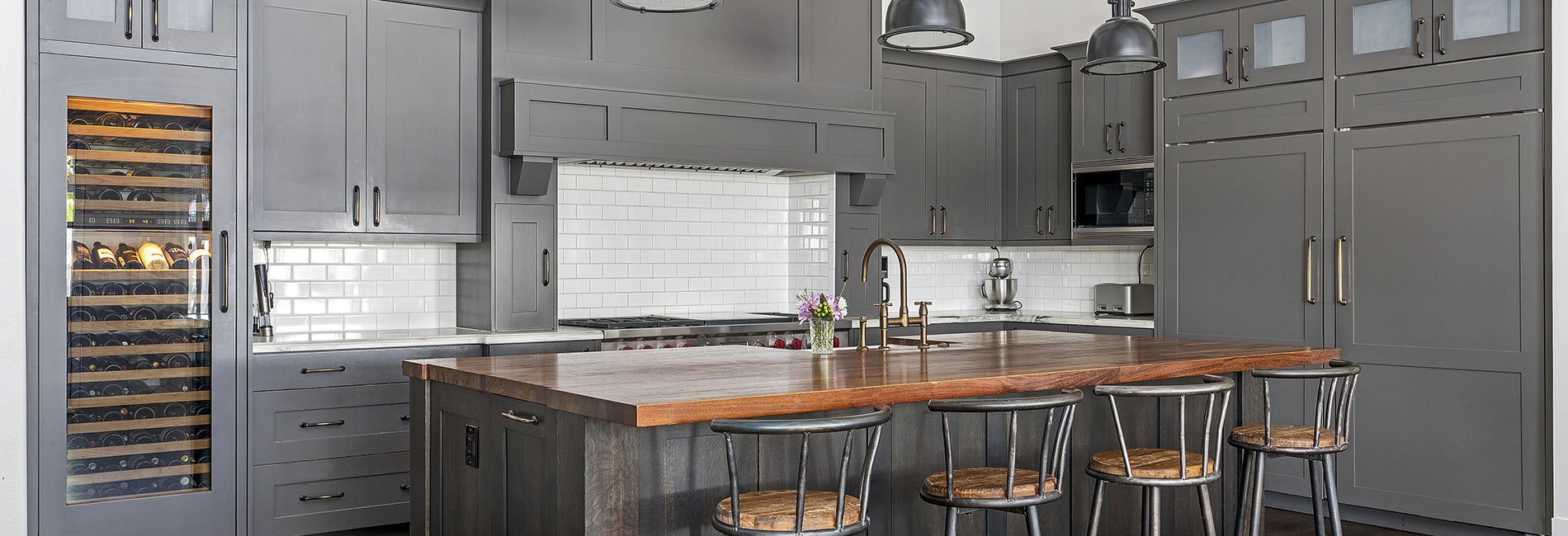
DIY Tip: Mount a magnetic timer on your stove or hood range to keep track of cook times and remind yourself to stay alert.
Keep a Fire Extinguisher Handy
Why it matters: A small fire can quickly become unmanageable.
What to do:
- Place at least one fire extinguisher in the kitchen and near the garage or fireplace.
- Make sure all household members know how to use it (remember the acronym PASS: Pull, Aim, Squeeze, Sweep).
- Check the pressure gauge monthly.
DIY Tip: Mount fire extinguishers on walls with inexpensive brackets to keep them easily visible and accessible.
Inspect Electrical Cords and Outlets
Why it matters: Faulty wiring is a major cause of home fires.
What to do:
- Replace frayed or damaged cords immediately.
- Avoid overloading outlets and extension cords.
- Hire a licensed electrician to check your system if your lights flicker or breakers frequently trip.
DIY Tip: Use cord organizers or covers to prevent cables from bending or becoming pinched behind furniture.
Store Flammables Safely
Why it matters: Gasoline, propane, and household chemicals can ignite under the right conditions.
What to do:
- Store these items in original containers, away from heat sources, and out of reach of children.
- Never store propane tanks indoors.
- Keep oily rags in a metal container with a lid.
DIY Tip: Use labeled plastic totes or a small metal cabinet in the garage to organize and safely store household chemicals.
Clean Your Dryer Vent Regularly
Why it matters: Lint buildup is a hidden fire hazard.
What to do:
- Clean the lint trap after every load.
- Check and clean the dryer vent hose at least once a year.
- Avoid using vinyl or foil accordion-style ducts; opt for rigid metal venting.
DIY Tip: Use a long flexible dryer vent brush (available at hardware stores) to clean deep inside ducts yourself.
Install Fire-Resistant Landscaping (For Wildfire-Prone Areas)
Why it matters: In dry climates, vegetation can quickly turn into fuel.
What to do:
- Maintain a defensible space around your home.
- Choose fire-resistant plants and mulch.
- Trim trees and remove dead brush regularly.
DIY Tip: Lay down gravel or rock borders instead of bark mulch near your home’s foundation to reduce flammable materials.
🏡 Thinking About Selling or Buying a Home That’s Fire-Safe?
Fire safety isn’t just about peace of mind—it can also be a powerful selling point or a smart consideration when buying. If your home includes features like updated electrical, smoke detectors, and outdoor defensible space, we can help you showcase those benefits to buyers. Or if you're searching for a safe and sound home for your next chapter, we’ll help you find one that fits your needs.
📲 Contact our team today for expert guidance on buying or selling homes in Texas that are designed with safety in mind.
- Boomer’s Roadmap for Aging in Place
- COVID-19 Resource Guide for Texas Residents
- Creating a Home for Disabled Children to Thrive
- Disaster Safety for Renters
- DIY Home Automation & Robotics Guide
- Driving Safety Guide
- Earthquake Safety Guide
- Fall Prevention at Home
- Fire Safety Tips for Homeowners
- Foundation Protection During A Drought
- Going Green: The Eco-Friendly Home
- Home Inspection Guide
- Home Modification for Cats and Dogs
- Homecity Military Rewards
- Homeowner’s Guide to Flooding
- Homes for Homeless Vets
- Lightning Safety Guide
- Making the Move to Assisted Living
- Modifications for Disabled Veterans
- Operation American Dream
- Pet Safety in the Home
- Power Outage Preparedness
- Protecting Your Home from Extreme Heat
- Real Estate, Math & Financial Literacy for Students
- Relocation Services
- Texas-Friendly Landscaping
- Winter Freeze and Holiday Safety
