
7 Quirky Home Features with Fascinating (and Sometimes Funny) Histories

Ever stopped mid–house tour and wondered, “Why does this old house have a tiny door?” Or why some porches are painted sky blue? The truth is, many everyday home features have surprisingly weird—and sometimes hilarious—origin stories.
Here are 7 quirky features that prove our homes are more than walls and floors—they’re living history.
1. Tiny Doors Inside Old Houses
Ever noticed a miniature door in a hallway or closet? Nope, it’s not a passage to Narnia. These were servant’s doors or butler’s doors, common in 19th- and early 20th-century homes. They let staff move discreetly or pass items like laundry and food between rooms without disrupting the household.
Of course, generations of kids also found they made the perfect hide-and-seek spots—because who wouldn't love running around in secret little passages?
Today, they’re whimsical conversation starters that give historic homes a touch of mystery and charm.
2. Bathtubs: From Farm Troughs to Clawfoot Thrones
The modern cast-iron bathtub was born in 1842 when Mott Iron Works in New York created the first freestanding model. The luxurious clawfoot style was inspired by Chinese dragon-and-pearl motifs. What started as an exotic style quickly became a European and American status symbol—if you had a clawfoot tub, you were living large. They were heavy, ornate, and built to last, which is why so many survive in historic homes today.
Now? Homeowners love them for their vintage charm, spa-like feel, and the way they instantly transform an ordinary bathroom into a centerpiece of relaxation.
3. The Spite House—Built Out of Pure Drama
Yes, there are houses built out of sheer pettiness. The Hollensbury Spite House in Alexandria, Virginia, is famously only 7 feet 6 inches wide. Legend says John Hollensbury built it in 1830 to stop noisy wagon traffic from using the alley beside his home—or maybe just to annoy his neighbors. Either way, it squeezed two stories of living space into what’s basically a hallway.
Despite its size, the Spite House is fully functional, with cozy rooms, a staircase, and plenty of character. Over the years, it has become a tourist attraction, a piece of local folklore, and even one of the most photographed homes in the city. People love it not just for the quirkiness, but because it proves that sometimes the best real estate stories aren’t about square footage—they’re about attitude.
Talk about real estate with personality!
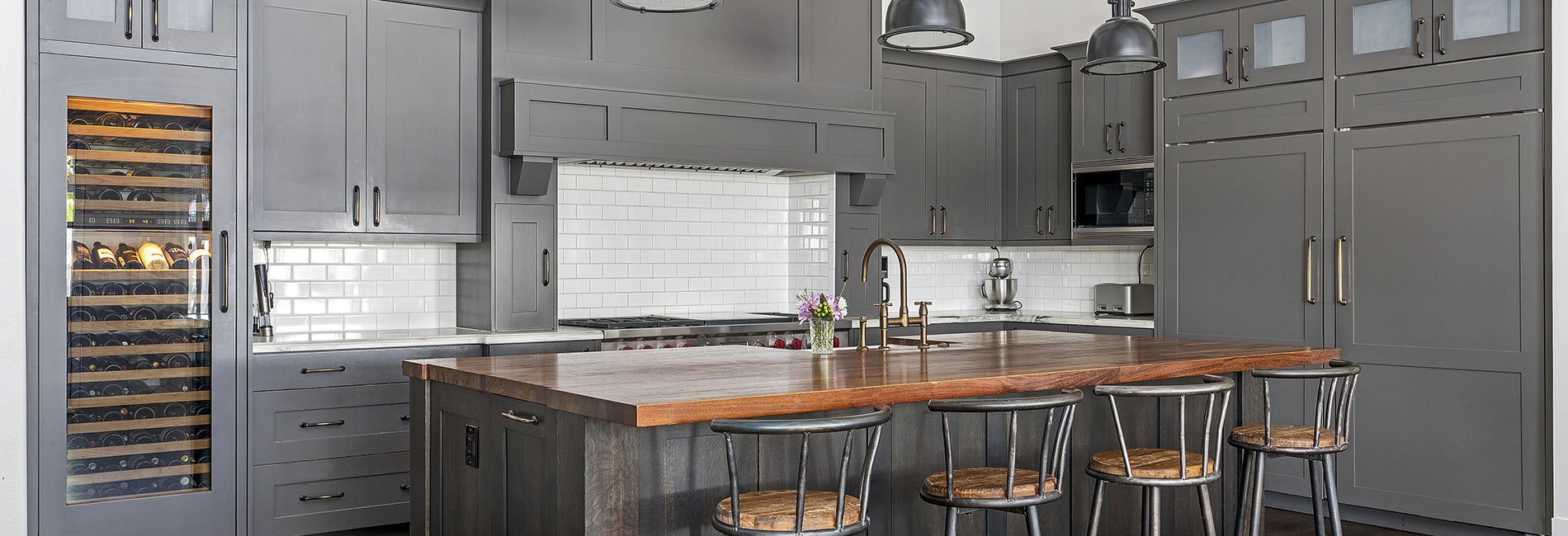
4. Why Kitchens Became the Heart of the Home
Once upon a time, kitchens were not cozy gathering spots—they were smoky, sooty, and sometimes dangerous. In fact, many early kitchens were separate buildings so the heat, smells, and risk of fire wouldn’t take down the whole house. They were purely functional spaces, focused on survival, not socializing.
But by the mid-20th century, things started to change. Refrigerators, efficient stoves, and improved ventilation made cooking easier, safer, and a lot less sweaty. Open floor plans also began to blur the line between kitchen and living spaces, and suddenly, the kitchen wasn’t just where meals were made—it was where life happened.
Fast forward to today, and the kitchen has officially stolen the crown as “the heart of the home.” It’s where homework gets done, family secrets get spilled, and every single party guest eventually ends up—no matter how nice the living room is. Seriously, it’s like there’s a magnetic force pulling people to the chips and dip.
5. Porch Ceilings Painted “Haint Blue”
If you’ve strolled through older Southern neighborhoods, you may have noticed porch ceilings painted a soft, dreamy blue. This shade is called "haint blue," and it comes with a mix of folklore and practicality. According to tradition, the color was meant to protect homes from “haints”—restless spirits who, legend said, couldn’t cross water. The blue paint was thought to mimic the sky or the sea, tricking the spirits into staying away. Pretty clever, right?
But here’s the quirky twist: it may have also worked on bugs. Some believe early homeowners noticed fewer wasps and mosquitoes buzzing around when they used a blue pigment—possibly because insects mistook it for sky. Whether that’s science or superstition, it stuck.
Today, haint blue is less about ghostbusting and more about good vibes. It gives porches a welcoming, airy feel and a dash of history—plus, it’s a great conversation starter for anyone sipping sweet tea under its calming glow.
6. The Dymaxion House—The Home of the Future (That Never Was)
In the 1930s, visionary designer Buckminster Fuller dreamed up what he believed would be the home of the future: the Dymaxion House—a lightweight, prefab, round house made of aluminum. The name itself was a mash-up of dynamic, maximum, and tension—which sounds more like a rock band than a house, but it captured Fuller’s big ideas.
The Dymaxion was round, lightweight, and made of aluminum, the same material used in airplanes at the time. It could be shipped in pieces, assembled almost anywhere, and included futuristic features like a “dome effect” for passive cooling and systems to recycle water. Basically, it was the Jetsons’ house decades before the Jetsons even existed.
So why don’t we all live in Dymaxion homes today? Well, Fuller’s design was a little too ahead of its time. Costs, manufacturing issues, and lack of public support meant the project never took off. But a prototype does survive at the Henry Ford Museum in Michigan, where it still wows visitors with its sci-fi vibes.
The Dymaxion House may not have revolutionized real estate, but it’s proof that even our homes have flirted with some wild, futuristic dreams.
7. Transom Windows Over Doors
Those little windows perched above doors might look decorative, but they were actually a clever solution in the days before air conditioning. Called transom windows, they let air circulate between rooms while keeping doors closed for privacy. Imagine trying to catch a breeze on a sweltering summer day without them—these windows were the unsung heroes of home comfort.
Here’s the quirky part: transoms often came with tiny hinges or pulleys, so you could crack them open without even leaving your chair. Pretty fancy for what’s basically a mini-window! In rowhouses and old hotels, they also allowed hallways and bedrooms to share light, giving spaces a brighter, airier feel.
Today, most transom windows don’t need to do the heavy lifting of cooling the house, but homeowners love them for the architectural character they bring. Whether it’s a historic original or a modern reproduction, a transom adds instant vintage charm—and maybe just a little extra breeze if you’re lucky.
Why This Matters for Homeowners
Quirky features aren’t just odd design choices—they’re little time capsules. From secret servant doors that double as hide-and-seek spots to spite houses built out of pure drama, every detail tells a story about how people once lived, worked, and even feuded.
The best part? Many of these features still bring joy, charm, and character to homes today. They remind us that houses aren’t just built for function—they’re shaped by creativity, culture, and sometimes a dash of mischief.
✨ Looking for a home with history, character, or maybe even a quirky story of its own? We’d love to help you find the perfect place. Contact us today!


Post a Comment