
Moving to Texas in 2026: What to Expect Before You Pack the Boxes

Texas has a way of showing up on people’s radar. Sometimes it starts as a casual idea sparked by warmer winters or more space. Other times it comes from a job opportunity, a growing family, or a simple desire for a different pace of life.
As 2026 approaches, more people are seriously considering what it would be like to call Texas home. Before you start planning the move, it helps to understand what daily life here actually looks like, what tends to surprise newcomers, and what to think through before loading the moving truck.
This guide walks through the realities of relocating to Texas so you can move forward with confidence and clear expectations.
Why People Keep Moving to Texas
Texas has remained one of the most moved to states in the country for years, and that momentum is expected to continue into 2026. While every household has its own reasons, a few themes come up again and again.
One major draw is opportunity. Texas offers a diverse economy with jobs across technology, healthcare, manufacturing, education, logistics, and energy. Many people also appreciate the absence of a state income tax, which can make a noticeable difference in take home pay.
Lifestyle plays a big role too. Texas is known for larger homes, generous lot sizes in many areas, and a strong focus on outdoor living. From backyard gatherings to neighborhood parks and trails, daily life often feels less compressed than in denser coastal markets.
Just as important, Texas is not one single experience. Life here can feel completely different depending on where you land, which makes it appealing to a wide range of people.
Choosing Where to Live in Texas
One of the most important parts of moving to Texas is understanding just how different life can feel from one area to another. Texas is massive, and choosing where to live is less about picking a city name and more about finding a lifestyle that fits how you actually want to live day to day.
Some people prioritize shorter commutes and job access. Others care more about space, school options, or being close to outdoor recreation. Many newcomers are surprised by how much variety exists even within the same metro area.
Urban, Suburban, or Small Town Living
Texas offers everything from dense urban cores to quiet neighborhoods that feel worlds away from city life. Urban areas tend to appeal to those who enjoy walkability, dining, entertainment, and a faster pace. Suburban communities often offer newer housing, neighborhood amenities, and more space while still staying connected to employment centers. Smaller towns attract people looking for a slower pace, tighter communities, and a more rural feel without giving up modern conveniences.
There is no universal best choice. The right fit depends on how you plan to spend your time and what matters most in your daily routine.
Housing Styles You Will See Across the State
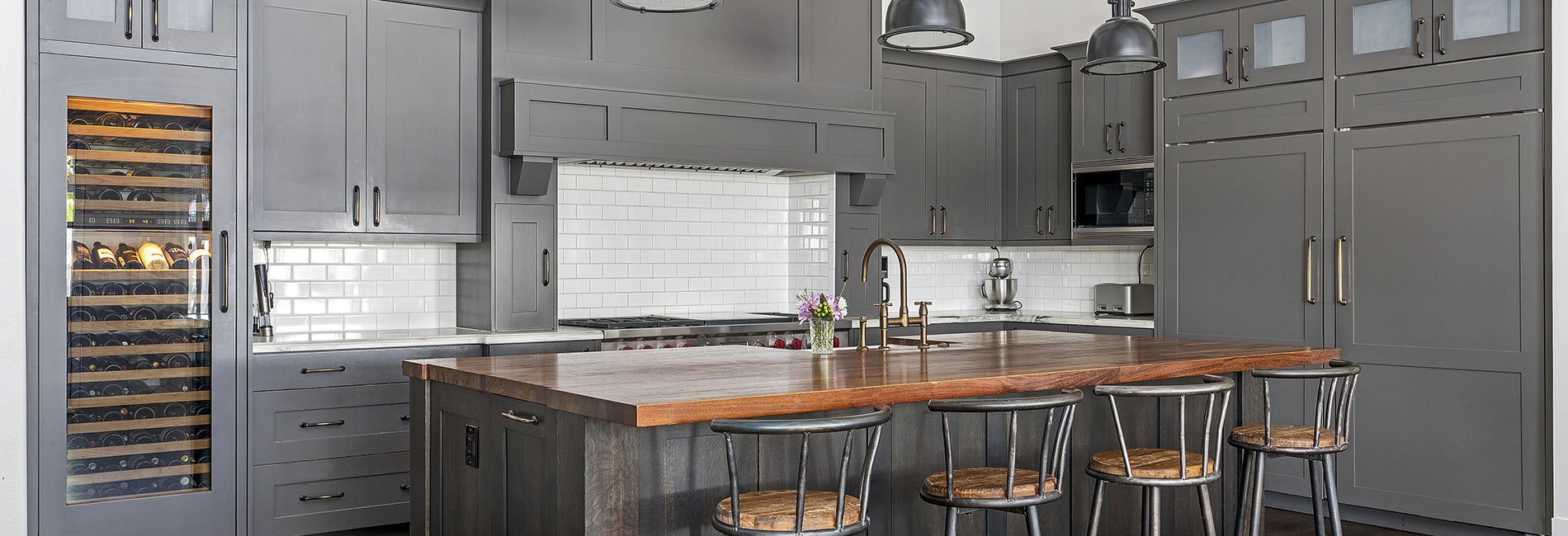
Housing in Texas varies widely, but newcomers often notice a few common themes. Single story homes are popular and widely available. Open floorplans are common, with kitchens designed to be part of the living space rather than tucked away. Outdoor areas matter, whether that means a backyard, patio, or shared green space.
Condos and townhomes are also part of the mix, particularly in more urban settings, offering lower maintenance options for those who want convenience over space.
What to Consider Before You Choose a Community
Before settling on a location, it helps to think through a few practical questions.
- How far are you comfortable commuting on a daily basis?
- Do you want newer construction or an established neighborhood?
- How important are schools, parks, or trail systems?
- Do you prefer quiet surroundings or a more active environment?
Answering these questions early makes it easier to narrow your options and avoid feeling overwhelmed by the sheer size of Texas.
What Texas Living Really Feels Like
Moving to Texas often comes with a few surprises, even for people who have visited before.
Homes tend to prioritize function. Open living spaces, dedicated laundry rooms, garages, and outdoor areas are common features that newcomers quickly grow to love. Many people also notice how much storage space Texas homes offer compared to what they are used to.
Daily life leans practical but social. Neighbors tend to wave, community events are common, and casual get togethers often revolve around food, sports, and outdoor spaces.
Then there is the weather. Summers are hot, no way around it. Most Texans plan their days accordingly, running errands early, embracing shade, and relying on air conditioning. On the flip side, winters are generally mild, which is a big selling point for people relocating from colder climates.
Understanding the Cost of Living Without the Hype
Texas is often described as affordable, but the reality is more nuanced.
Housing costs vary widely depending on location, home type, and proximity to job centers. Some areas still offer entry points that feel accessible compared to national averages, while others have seen significant price growth over the last several years.
Property taxes are higher than in some states, which can surprise newcomers. However, this often balances out with lower overall tax burdens due to the lack of state income tax.
Utilities, transportation, and everyday expenses tend to be moderate, though summer electricity bills can be higher due to cooling needs. The key takeaway is that Texas affordability depends on where and how you live, not just the state itself.
Renting vs Buying When You Move
Many people who relocate to Texas choose to rent first. This allows time to explore different neighborhoods, understand commute patterns, and experience daily life before committing to a purchase.
Buying right away can make sense for others, especially those who already know where they want to be or are relocating for long term reasons. Texas offers a wide variety of housing styles, from condos and townhomes to single story homes and larger properties with land.
There is no single right approach. The best choice depends on your timeline, comfort level, and how familiar you are with the area.
How Long a Texas Move Really Takes
Planning ahead makes a big difference with long distance moves.
Most out of state relocations take several weeks of preparation. This includes booking movers, coordinating closing or lease dates, and organizing utilities. Transit times vary based on distance, but the larger factor is usually planning and scheduling rather than the drive itself.
People who move smoothly tend to start early, keep lists, and build in buffer time. Texas is big, and moving logistics often take longer than expected.
Your Texas Relocation Checklist
Before the Move
- Research neighborhoods and housing options
- Create a realistic moving budget
- Schedule movers or transportation
- Gather important documents
- Plan school enrollment if applicable
During the Move
- Transfer utilities and services
- Confirm move in details
- Update mailing addresses
- Keep essentials easily accessible
After You Arrive
- Apply for a Texas driver license
- Register your vehicle in Texas
- Explore your neighborhood and local amenities
- Get connected with community resources
Common Questions New Texans Ask
Do I need a car in Texas
In most areas, yes. Public transportation is available in some cities, but daily life is typically car oriented.
Is Texas only for families
Not at all. Texas attracts a wide range of residents including young professionals, retirees, and remote workers.
Is everything bigger in Texas
The saying exists for a reason, especially when it comes to homes, highways, and expectations.
Final Thoughts on Moving to Texas in 2026
Moving to Texas is less about chasing a trend and more about choosing a lifestyle that fits your priorities. Space, opportunity, and variety continue to draw people here, and the state offers room to grow in more ways than one.
Whether you are seriously planning a move or just exploring the idea, understanding what to expect makes the process smoother and more enjoyable. Texas rewards preparation, flexibility, and an open mind.
When you are ready, exploring individual communities is the best way to see where Texas truly feels like home.


Post a Comment